
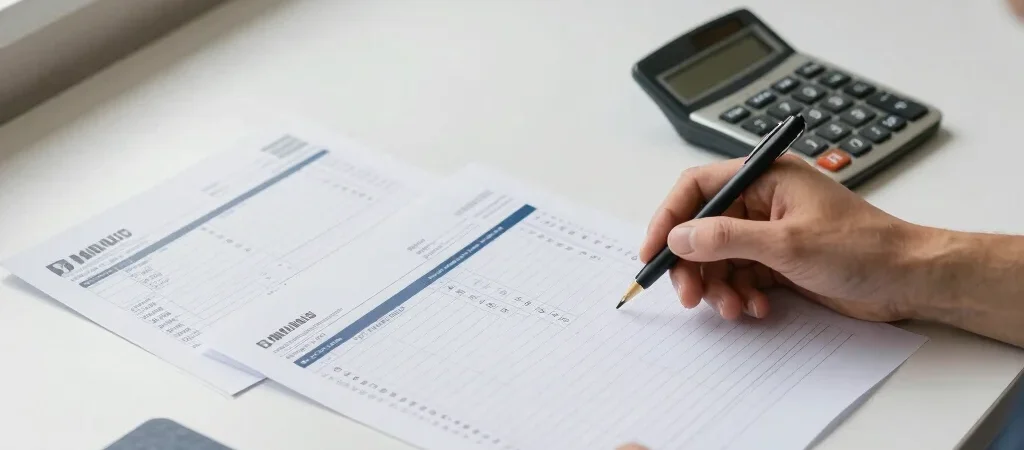
A customer pays an invoice late, a supplier bill comes due, and the month’s sales report still looks healthy. That is the gap between profit and cash: the first describes performance over a period, while the second is money available when obligations arrive. For a small business, tracking both is a basic management habit, not a finance department luxury.
Watch the timing
A sale recorded today may not become cash until the customer pays, while payroll and rent follow their own schedules. Inventory purchases can widen that gap, especially when stock must be paid for before it is sold. Put expected customer payments and committed expenses on the same calendar so the pressure points are easier to see.
Build a weekly cash check
Choose a consistent day to review the bank balance, invoices due, bills coming up, and any large one-off costs. Compare the next few weeks of expected inflows with planned outflows, and note which amounts are confirmed versus uncertain. The goal is not a perfect forecast; it is enough notice to follow up on a late invoice or reconsider the timing of a discretionary purchase.
Make the next move early
If a shortfall appears, start with the causes you can verify: an overdue receivable, an unusually large order, or a payment date that falls before expected customer receipts. Contact customers using the terms already agreed, and talk with suppliers before a due date if you need to discuss timing. A clear weekly view gives you more choices than waiting for the bank balance to deliver the news.